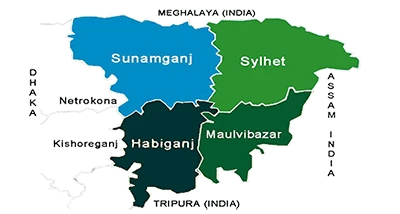
The Manipuri community is one of the indigenous groups living in the Sylhet region of Bangladesh. Their villages, known as Manipuri Palli, are found mainly in Moulvibazar District (especially Kamalganj, Kulaura and Srimangal) and in parts of Sylhet city. Each village is a small, quiet settlement of bamboo and tin-roofed houses, fruit trees, rice fields and handlooms working in the courtyards. Unlike many remote tribal areas, Manipuri villages are easy to reach and welcoming to visitors, which makes them a rewarding cultural stop on a Sylhet trip.
The Manipuri people call themselves Meetei (Meitei) and speak the Meetei language, which has its own ancient script, Meetei Mayek. Most follow Hinduism, many also keep the traditional Sanamahi faith, and a smaller group known as Pangan are Muslim. The community is especially famous for its beautiful handwoven fabrics and for the graceful Manipuri classical dance.
Why the Manipuri Village is popular
The Manipuri village is popular because it offers a rare chance to experience a living indigenous culture, traditional craftsmanship and peaceful rural scenery in one visit.Handloom & Craftsmanship
Weaving is the heart of Manipuri village life. Women weave on traditional looms set up in front of or behind the houses.- Handwoven Fabrics: Sarees, shawls, scarves, bedsheets and table cloths with bright colors and fine patterns are made by hand and sold directly from the village.
- Traditional Designs: Patterns often feature temple-like motifs, flowers and geometric borders that are unique to the Manipuri community.
- Shop Directly: Visitors can watch the weavers at work and buy authentic products at fair prices, which directly supports local families.
Culture, Dance & Festivals
Manipuri culture is deeply tied to music, dance and devotion.- Manipuri Dance: The soft, flowing classical dance, often inspired by the stories of Radha and Krishna, is performed in colorful traditional costumes during festivals and special events.
- Raas Leela & Festivals: The Raas festival in autumn and the spring festival of Bishu are the most colorful times, with music, dance and community gatherings.
- Temples & Traditions: Small temples and shrines stand in the villages, and daily life still follows customs passed down through generations.
Immersive Travel Experience
A village visit is slow, friendly and close to nature.- Village Walk: Stroll between fruit gardens, rice fields and bamboo groves while meeting local people and seeing everyday rural life.
- Local Food: Traditional Manipuri meals are simple and fresh, with rice, fish and vegetables as the main ingredients. Ask your guide to arrange a home-cooked meal in advance.
- Respectful Visit: Please ask before taking photographs of people or entering temples, dress modestly and remove your shoes where required.
Best Time to Visit the Manipuri Village
The village can be visited all year, but a few seasons stand out. Here’s the simple breakdown.Best time overall: October to March
The weather is cool and dry, making village walks comfortable, and this is also when most festivals and cultural events take place.
For lush green scenery: June to September
The monsoon turns the fields and gardens deep green. It is beautiful but it can be rainy and muddy, so carry an umbrella and wear suitable shoes.
Check out the complete package details including vehicle, hotel stays & guide - View Package Rates